PCOS: Your Health, Your Hormones/Hormones 101: What’s Going On Inside Your Body?

Understanding Hormonal Imbalance in PCOS
Polycystic Ovary Syndrome (PCOS) is a complex endocrine disorder characterized by hormonal imbalances that affect many aspects of health, especially reproductive function. One of the primary hormonal issues in PCOS is the excess production of androgens, such as testosterone and androstenedione. This androgen excess is observed in 60–80% of girls and women with PCOS and primarily originates from the ovaries.

The Role of Androgens and Insulin
Androgen excess can be worsen by insulin resistance or elevated insulin levels. Insulin, a hormone crucial for regulating blood sugar, can influence ovarian function. High insulin levels stimulate the ovaries to produce more testosterone, contributing to the hormonal imbalance seen in PCOS.
Impact of Pituitary Gland and Hormonal Communication
Abnormalities in the communication between the pituitary gland (a small gland at the base of the brain) and the ovaries can also lead to increased androgen production. Specifically, increased luteinizing hormone (LH) stimulation from the pituitary and the effect of hyperinsulinemia at the ovary are the two main causes of excess testosterone production, which is mostly ovarian in nature.
Follicle-Stimulating Hormone (FSH) and Ovarian Function
Elevated levels of follicle-stimulating hormone (FSH) often indicate a disorder affecting the ovaries or testicles that impairs the production of normal amounts of sex hormones. The pituitary gland responds by producing more FSH in an attempt to restore normal function. Elevated FSH levels may also signal a dysfunction in the reproductive glands.
Explaining Hormonal Imbalance Simply
In PCOS, the ovaries produce abnormally high amounts of androgens, leading to an imbalance in reproductive hormones. This hormonal disruption results in irregular menstrual cycles, missed periods, and unpredictable ovulation. The lack of ovulation can cause the formation of small follicular cysts—fluid-filled sacs containing immature eggs—visible on ultrasound scans.
Link Between PCOS and Insulin Resistance
Insulin resistance is a common feature in women with PCOS. Despite producing insulin, their bodies are less efficient at using it, which can lead to elevated blood sugar levels and increase the risk of developing type 2 diabetes. Managing insulin resistance is a crucial aspect of PCOS treatment and overall health management.

For comprehensive management of PCOS, consider exploring specialized programs and screenings designed to assess and address hormonal imbalances and metabolic health.
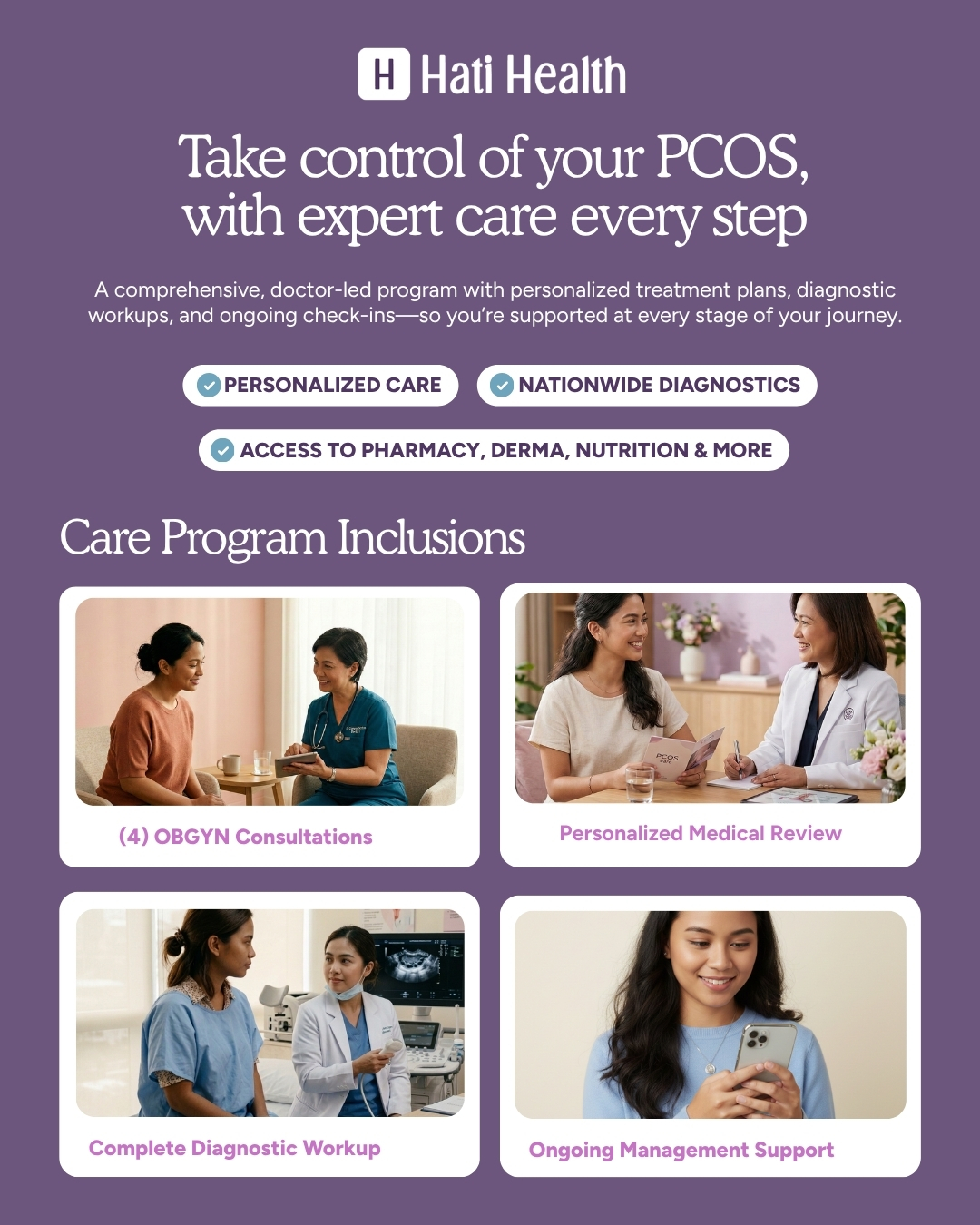
- PCOS Care Program - A comprehensive solution to help women manage PCOS effectively.
- PCOS Comprehensive Screening - A thorough hormonal and metabolic health screening package.
- PCOS Basic Screening - Essential testing for hormonal balance and vitality.

Endocrinology
Endocrinology focuses on managing your hormonal health, addressing conditions such as polycystic ovary syndrome (PCOS), thyroid issues, diabetes, and menopause symptoms. Receive personalized care and expert guidance to improve your overall well-being.