PCOS: Your Health, Your Hormones/Do I have PCOS? Let’s Start with the Basics

What is PCOS (Polycystic Ovary Syndrome)?
PCOS is a hormonal imbalance caused by the overproduction of hormones by the ovaries, which are responsible for producing and releasing eggs. This condition affects many women and can impact various aspects of health and fertility.
Common Symptoms of PCOS
Women with PCOS may experience a range of symptoms, including:
- Irregular periods: Missing periods or no periods at all, sometimes accompanied by severe menstrual bleeding.
- Acne: Persistent acne on the back, chest, and face, often challenging to manage.
- Obesity: A significant number of PCOS patients struggle with maintaining a healthy weight.
- Abnormal hair growth: Excess facial hair or hirsutism, including hair growth on arms, chest, and belly.
- Darkening of the skin: Dark patches known as acanthosis nigricans, commonly found in the groin, armpits, under the breasts, and neck folds.
- Cysts: Enlarged ovaries or multiple follicles visible on ultrasound.
- Skin tags: Small skin flaps often found on the neck or armpits.
- Thinning hair: Hair loss or bald patches on the scalp.
- Infertility: PCOS is a leading cause of infertility due to irregular or infrequent ovulation.

Causes of PCOS
The exact cause of PCOS is unknown, but genetics and several factors contribute to its development, including:
- Elevated levels of male hormones (androgens)
- Insulin resistance
- Low-grade inflammation
- Obesity

How is PCOS Diagnosed?
Diagnosis typically involves a consultation and physical examination by a healthcare provider. Additional tests such as ultrasound or blood tests may be requested to confirm the diagnosis.
Why Early Diagnosis Matters
Early diagnosis and treatment of PCOS are crucial as they can help manage symptoms and reduce the risk of long-term complications such as heart disease, type 2 diabetes, and endometrial cancer. Weight loss and lifestyle changes are often recommended as part of the management plan.
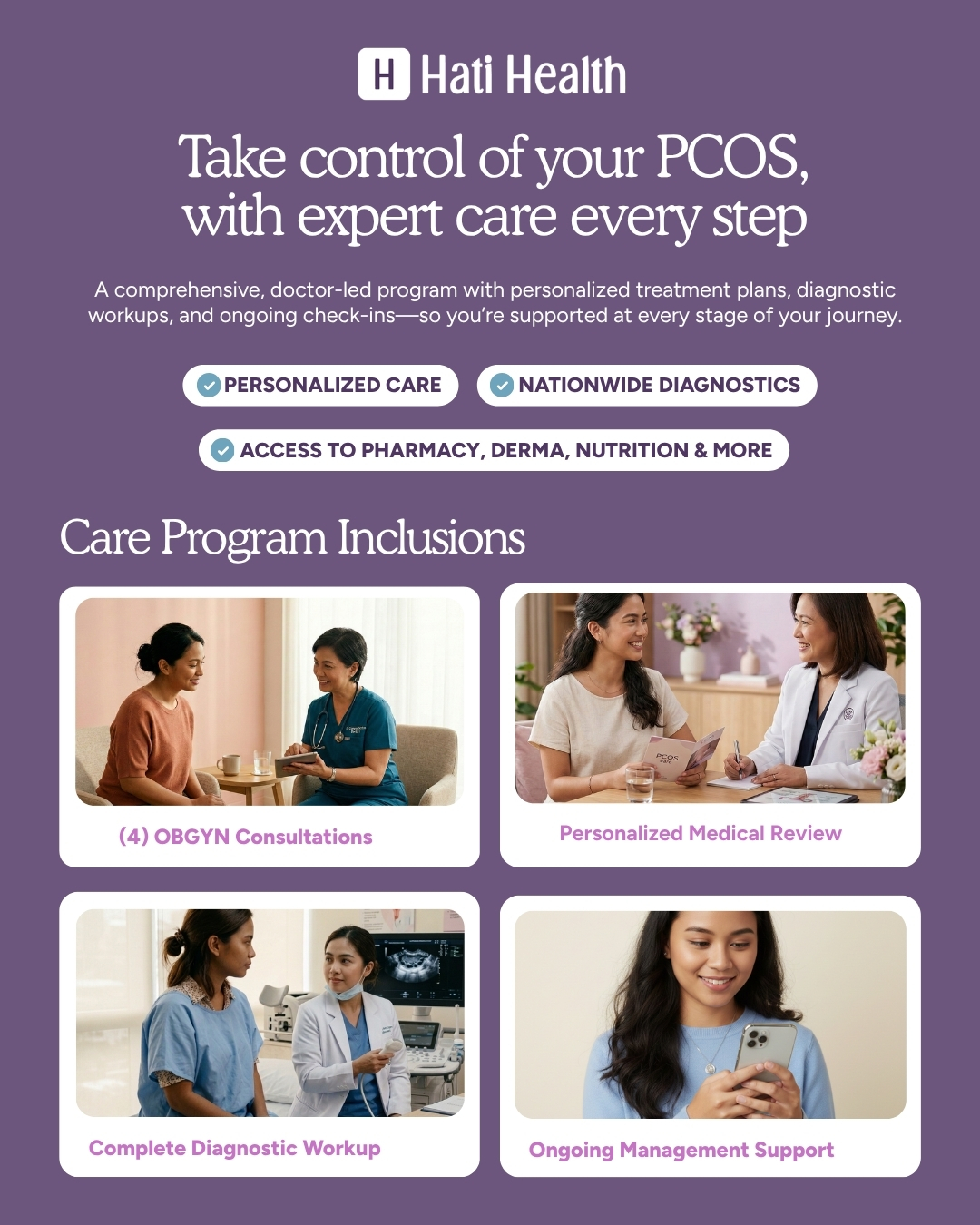
For comprehensive care, consider the PCOS Care Program.
Understanding PCOS is the first step towards effective management and improved health outcomes. Early intervention can make a significant difference in your journey with PCOS.


OBGYN
Take charge of your reproductive health with a consultation from an Obstetrician-Gynecologist (OB-GYN). This expert care covers everything from pregnancy and menstrual health to conditions like polycystic ovary syndrome (PCOS) and menopause.