PCOS: Your Health, Your Hormones/PCOS & Your Period: What’s Normal, What’s Not?

How PCOS Affects Menstruation and Ovulation
Polycystic Ovary Syndrome (PCOS) is a common hormonal disorder that affects people with ovaries. One of the hallmark features of PCOS is the production of abnormally high levels of androgens, which are male hormones that females also produce in small amounts. This hormonal imbalance disrupts the normal reproductive cycle, leading to irregular menstrual cycles, missed periods, and uncertain ovulation.
In a typical menstrual cycle, hormones work in harmony to regulate the growth and release of eggs from the ovaries. However, in PCOS, the excess androgens interfere with this process, often preventing ovulation altogether. This means that the ovaries do not release an egg regularly, which can cause irregular or absent periods.

Impact on Fertility and Family Planning
Because ovulation is irregular or absent in many people with PCOS, it can be challenging to conceive. PCOS is one of the leading causes of infertility in women. Without regular ovulation, pregnancy becomes difficult since there is no egg available for fertilization.
Understanding the effects of PCOS on your menstrual cycle and fertility is crucial for effective family planning. With proper diagnosis and management, many people with PCOS can improve their chances of conception and maintain a healthy reproductive life.
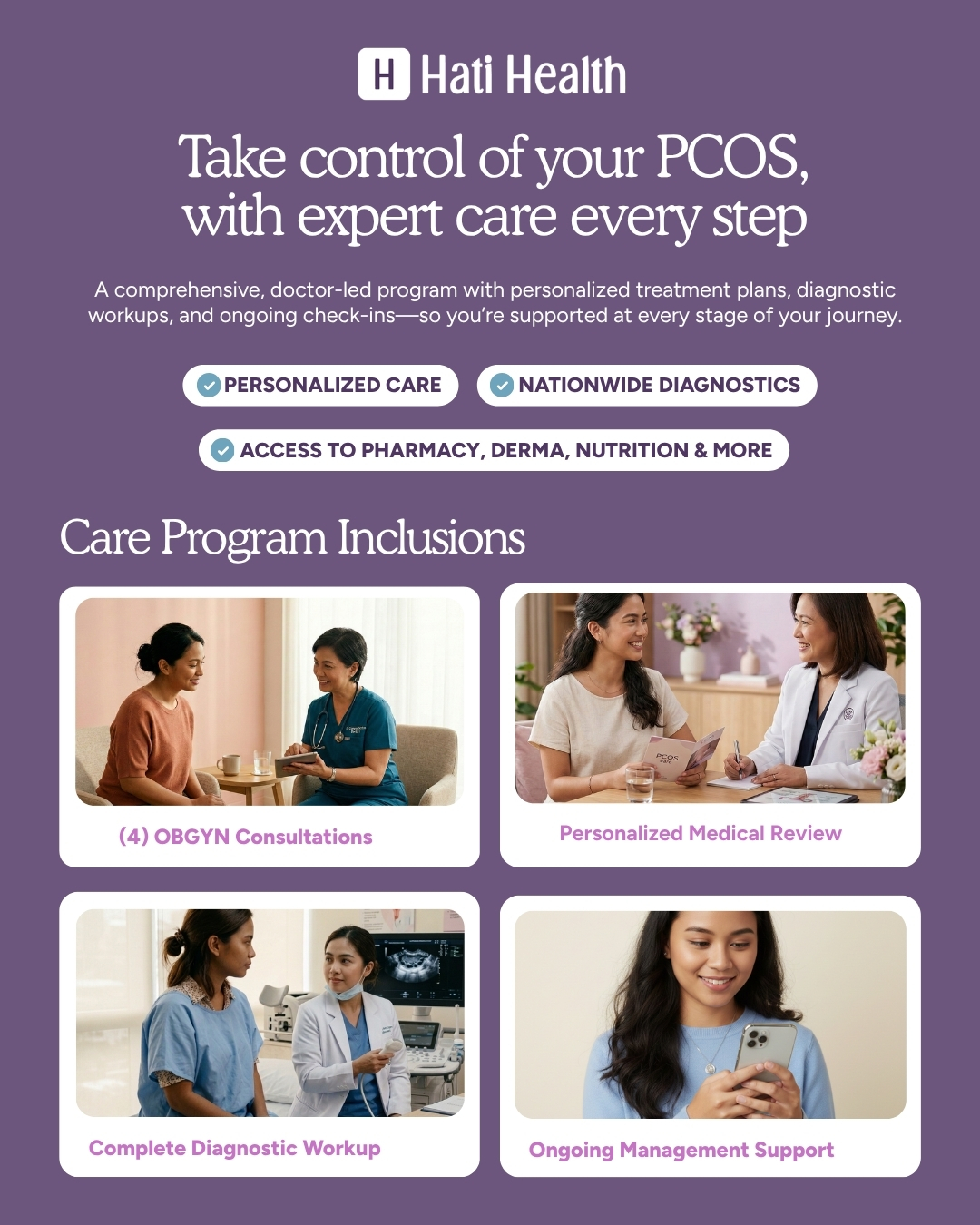
Explore Our PCOS Care Program
To support you on your journey, consider the PCOS Care Program, a comprehensive solution designed to help manage PCOS symptoms and improve reproductive health.
Additional Testing and Support
Tests like the Anti-Mullerian Hormone (AMH) test can provide insights into your ovarian reserve and fertility potential, aiding in personalized care planning.

Anti-Mullerian Hormone (AMH)
The Anti-Mullerian Hormone (AMH) test evaluates hormone levels in your blood to help you understand your ovarian reserve, which indicates how many eggs are left in your ovaries. This test is especially useful for women looking into fertility options, considering in vitro fertilization (IVF), or monitoring conditions such as polycystic ovary syndrome (PCOS) or early menopause.