STD Testing in the Philippines: What a Basic Sexual Health Screening actually checks
September 29, 2026 • 5 MIN READ
Getting tested used to feel like something people only did after something went wrong. That's shifting. Sexual health screening is increasingly treated the way a dental cleaning is—routine maintenance, not a crisis response—and the numbers explain why that shift matters.
Why this matters right now in the Philippines
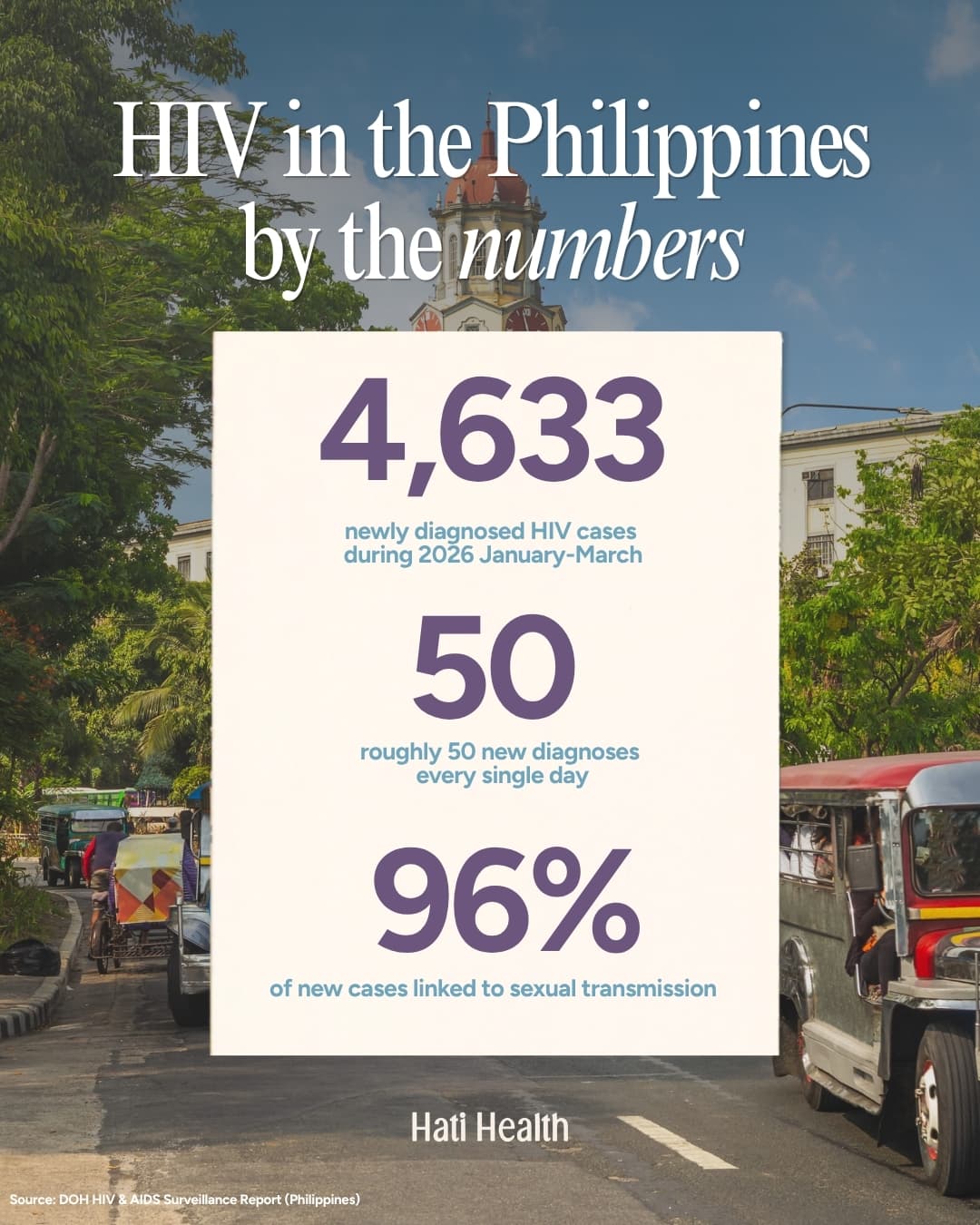
The Department of Health recorded 4,633 new HIV cases in the first quarter of 2026 alone — an average of 51 new diagnoses every single day. Nearly all of them, 95%, involved males, and the age breakdown is worth sitting with: 46% of new cases were aged 25–34, and another 31% were aged 15–24. That means roughly 3 in 4 new HIV diagnoses in the country involve people under 35.
Just as concerning: 24% of newly confirmed cases in that same quarter had already progressed to advanced HIV disease by the time they were diagnosed — meaning the infection had been present, undetected, for a significant stretch of time. Since the country's first recorded case in 1984, the Philippines has documented over 168,000 confirmed HIV cases total, with diagnosed cases trending consistently younger year over year.
HIV isn't the only infection quietly climbing. The Department of Health has flagged a sustained, decade-long increase in reported syphilis cases nationwide, with syphilis consistently ranking as the most commonly reported STI at social hygiene clinics. Separate research on Filipino women aged 15–24 found they face a meaningfully higher STI risk than women aged 25–49 — a pattern consistent with what's driving HIV numbers younger too.
The takeaway isn't alarm — it's that regular screening has become genuinely relevant to a much wider group of people than it used to be, regardless of how "low-risk" someone assumes their own situation is.
Who should get screened, and how often
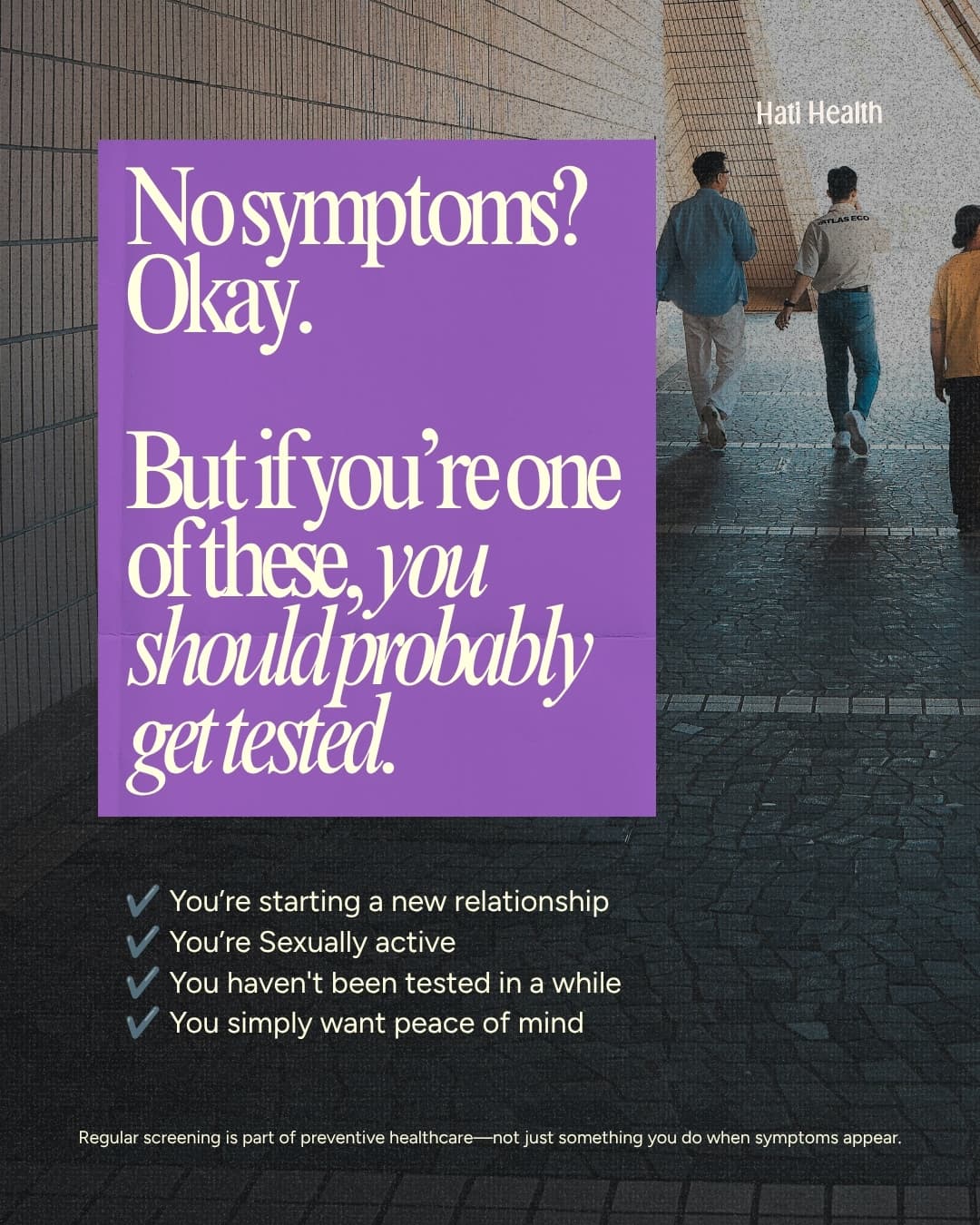
Sexual health screening isn't just for people with symptoms or a specific concern. It's appropriate for:
Anyone who is sexually active, regardless of relationship status
Anyone starting a new relationship, or whose partner has other partners
Anyone who has never been tested and wants a baseline
Anyone due for their annual screening — most guidance recommends yearly testing for sexually active adults, more frequently with multiple partners or after a specific exposure
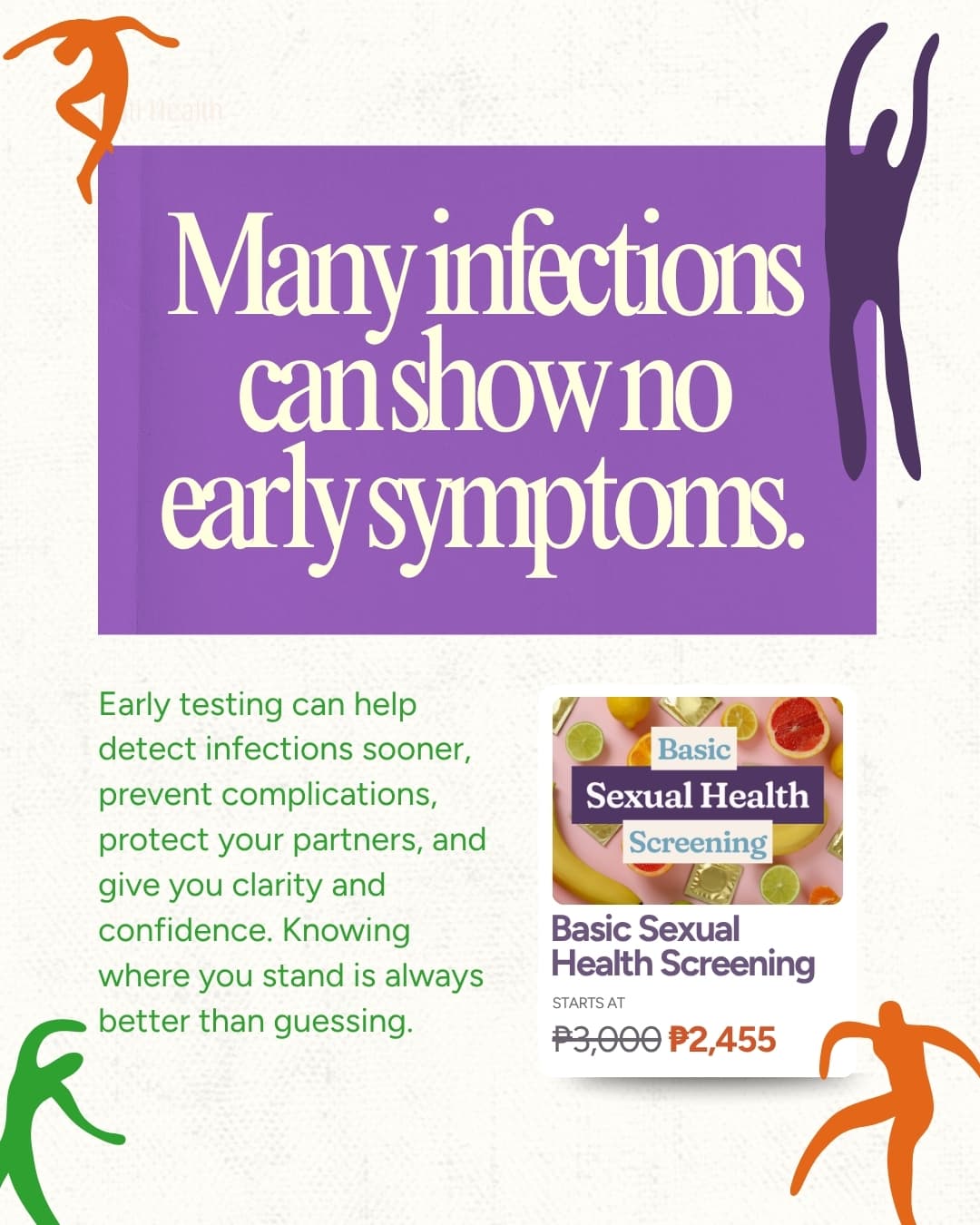
Many STIs, including syphilis and hepatitis B and C, can be present with no symptoms at all for extended periods, which is exactly why routine screening — not just symptom-triggered testing — is the more reliable approach.
What's included in the Sexual Health Screening - Basic Package
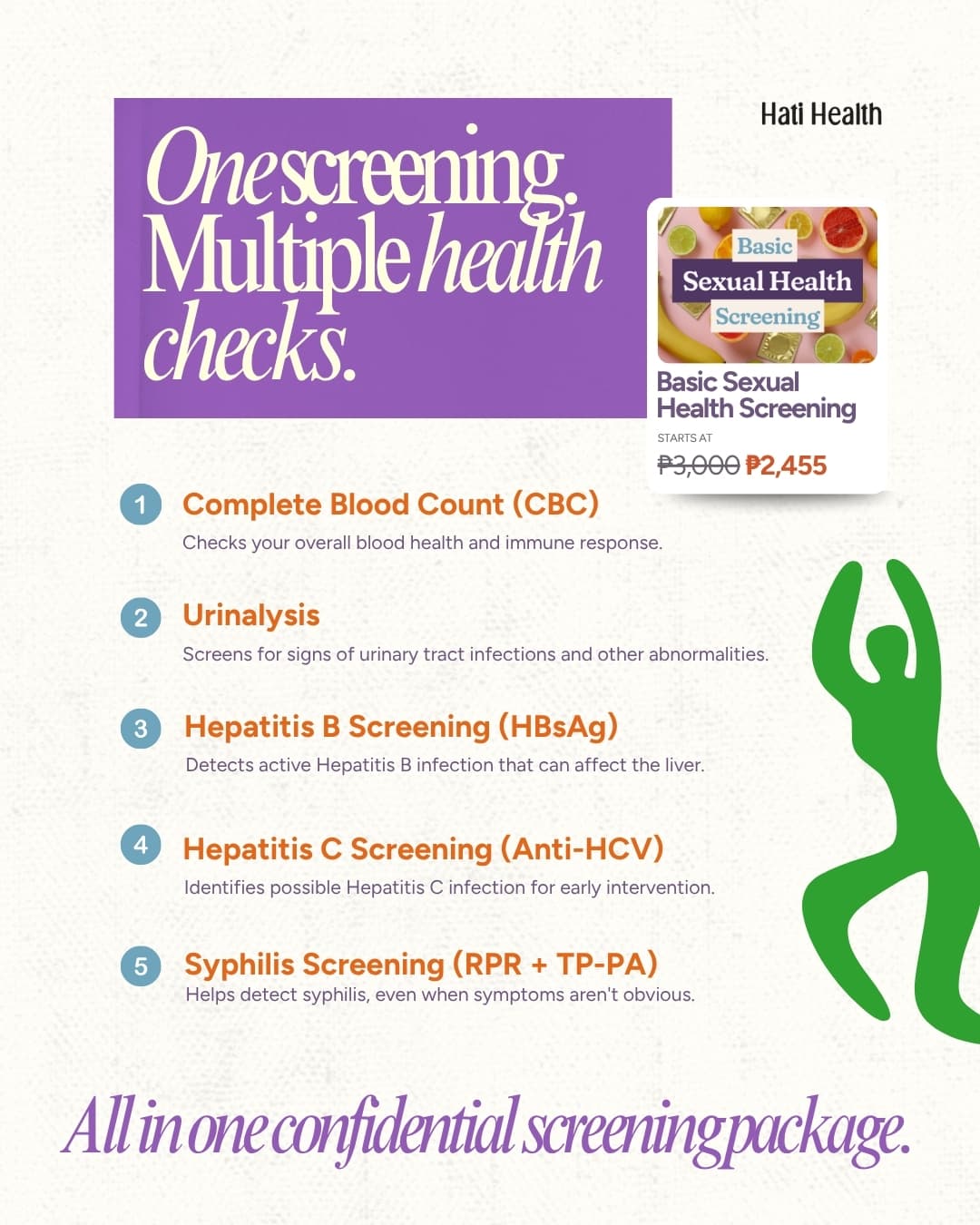
Hati Health's Sexual Health Screening - Basic is its most-booked sexual health product, with 300+ bookings in the past month and a 5.0 average rating. It's priced from ₱2,400 (down from ₱3,000), and covers five tests in a single visit:
Complete Blood Count with Platelet Count (CBCPC) — a general blood health panel, useful as a baseline and for flagging signs of infection or inflammation
Routine Urinalysis — screens for urinary tract infection and certain STI-related markers
HBsAg (Hepatitis B rapid screening) — checks for active Hepatitis B infection
Anti-HCV — checks for Hepatitis C antibodies
RPR and TP-PA (Qualitative) — the two-step antibody testing approach used to diagnose syphilis
The package is available at 76 partner clinic locations nationwide.
Worth Adding On: HIV Screening and HPV Genotyping for Women
Since the Basic panel stops at Hepatitis B, Hepatitis C, and syphilis, it's worth knowing what else is available to book alongside it, especially given what the current PH data shows.
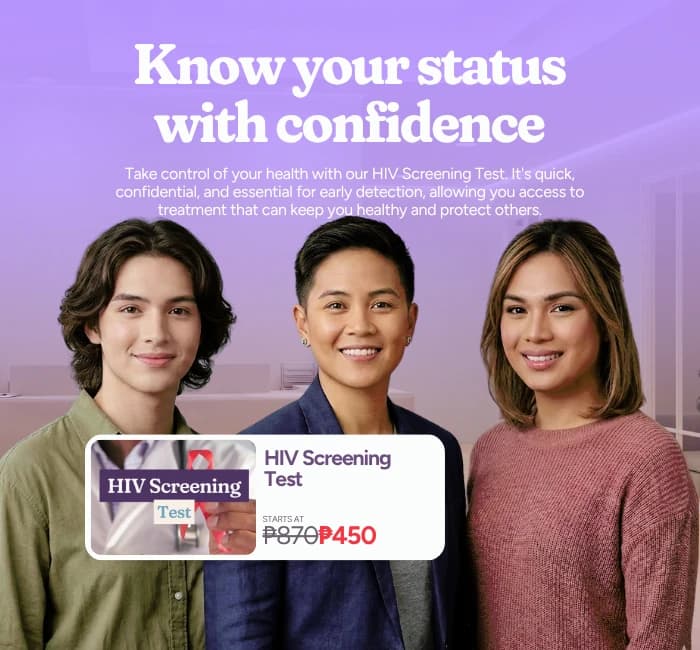
HIV Screening Test — starting at ₱450 (from ₱870), this is Hati Health's most-booked sexual health product after the Basic panel itself, with 400+ bookings in the past month and a 5.0 rating across 86 partner clinics. Given that sexual contact is the dominant transmission route behind the DOH's Q1 2026 HIV numbers, and that men aged 15–34 account for the large majority of new cases, this is the single highest-relevance add-on for most people booking the Basic screening. It's also available as an at-home self-test kit (₱850, results in 15 minutes, with a free teleconsultation included) for anyone who wants to test without a clinic visit at all.
HPV Genotyping (for women) — starting at ₱7,650 (from ₱8,580), this test identifies specific high-risk HPV strains linked to cervical cancer, typically collected the same way as a Pap smear. Unlike HIV and the Basic panel's coverage, HPV isn't part of any of the standard sexual health packages above, which matters given that HPV is the most common sexually transmitted infection globally and the primary driver of cervical cancer — the second most common cancer among Filipino women. For women who are sexually active, pairing HPV genotyping with a routine screening visit turns a single appointment into a genuinely comprehensive check, rather than one that misses the infection most likely to have long-term consequences.
Neither of these is bundled into the Basic price by default, but both can be added to the same booking, letting you consolidate what would otherwise be several separate clinic visits into one.
What to expect at your appointment
The process is designed to be fast and low-friction:
Book online and receive a confirmation email from a Hati Health concierge within 1–2 business days
Walk in to your selected branch at your convenience — no fixed time slot needed
Bring at least one valid government-issued ID
Present your confirmation email (and sales reference number, if provided) to clinic staff
Most patients are in and out within the visit window, with blood draw and urinalysis sample collection being the only physically invasive steps — generally described as mildly uncomfortable at most, not painful.
Privacy is built into the process
Stigma remains one of the biggest real barriers to people getting tested at all — not cost, not access, but the fear of being seen or judged. Hati Health's screening flow is designed around discretion: booking is done entirely online, appointments don't require explaining your reason for visiting to anyone beyond clinic intake staff, and results are communicated privately.
How to book
The Sexual Health Screening - Basic can be booked directly on Hati Health, with 76 partner clinic locations to choose from nationwide, most offering instant booking confirmation.
Book the Sexual Health Screening - Basic on Hati Health.
Frequently Asked Questions
Is the screening painful? Generally not. Some mild discomfort during the blood draw or urinalysis collection is normal, but the process is quick and not considered painful.
How often should I get screened? Sexually active adults are generally advised to test annually, or more frequently depending on number of partners or specific exposures. Ask your healthcare provider what cadence makes sense for your situation.
What should I do before my appointment? Avoid urinating for at least an hour beforehand if possible, avoid douching or vaginal products beforehand, and come with a list of any symptoms or questions for your provider.
Is this confidential? Yes. Booking, testing, and results are handled privately, and Hati Health's process is designed to minimize any need to disclose your reason for visiting to anyone beyond clinic staff.
Can I add HIV or HPV testing to this booking? Yes. HIV Screening can be booked as a discounted bundle alongside the Basic panel, and HPV Genotyping (for women) can be booked separately at the same visit — neither is included in the Basic package by default.