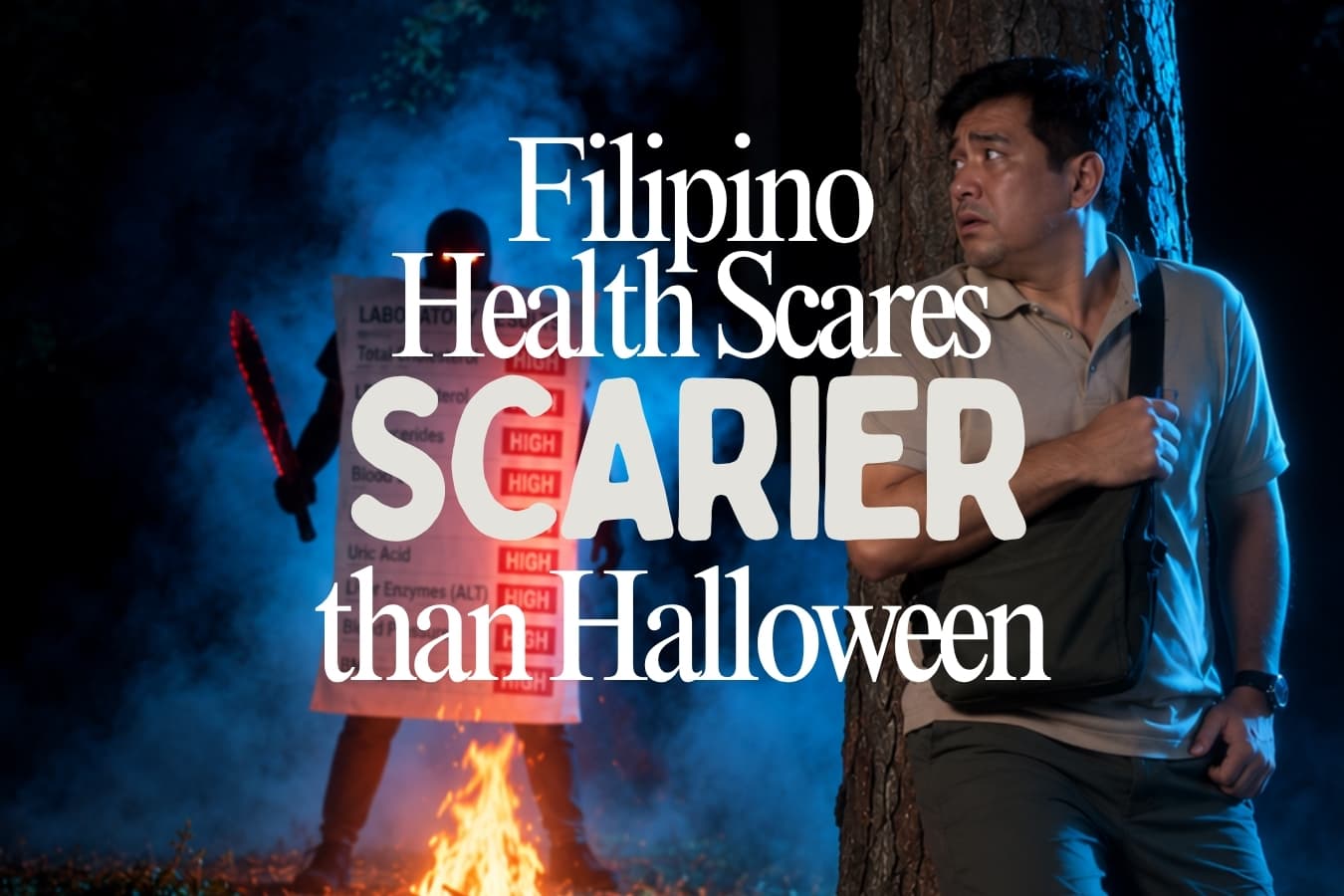
😱 Health Scares to Watch Out for this October
October 15, 2026 • 4 MIN READ
😱 8 Health Scares Every Filipino Should Watch Out For This October
Every October, we spend a month being scared on purpose. Haunted houses, horror movies, jump scares timed to make you spill your popcorn. It's fun because we know it's not real.
The health scares in this article aren't like that. They're quieter, and they're already happening to people you probably know—maybe to you. A cough that's stuck around for a month. A headache that keeps coming back. A lump nobody's mentioned out loud. Most of the time it's nothing. Sometimes it isn't, and the difference between those two outcomes usually comes down to how long someone waited before doing anything about it.
Before we get into the eight specific things worth watching for, it's worth being honest about why so many Filipinos wait in the first place. It's not carelessness. It's four very real, very well-documented problems.
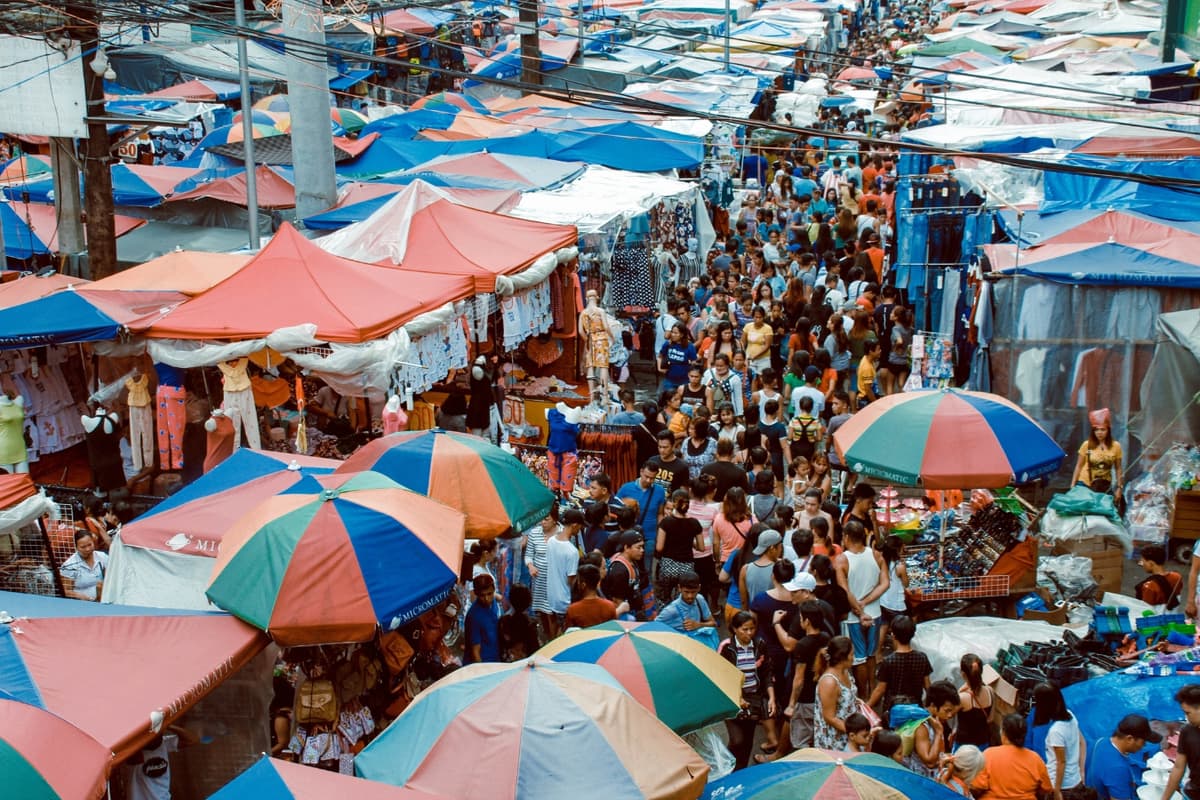
We wait, because waiting is the default
There's a Filipino instinct called tiis muna—endure first, deal with it later. It shows up everywhere, but nowhere more than in how we treat our own bodies. A 2026 study by MediCard and AIA Philippines, based on nearly 500 patients across clinics and hospitals nationwide, found that 51% of people try home remedies before seeing a doctor, and 68% wait for days, or until a symptom actually gets worse, before booking an appointment at all. That's true even among people who already have insurance.
The cost of that instinct shows up clearly in the cancer data. A nationwide study of Filipino cancer patients found that 35.1% experienced a treatment delay of more than 30 days after diagnosis — and that delay alone was enough to reduce survival odds by 6 to 13%, depending on the type of treatment. That's not a delay caused by bad luck. It's the accumulated effect of putting things off, one week at a time, until the disease has had a head start.
Healthcare here is getting more expensive, fast
Total health spending in the Philippines hit ₱1.87 trillion in 2025 — up 15% from the year before, and now equal to 6.7% of the entire economy. Globally, healthcare costs are projected to rise by another 18.3% in 2025 alone, according to Willis Towers Watson's annual medical trends survey, with most of that burden landing on patients and their families directly, not on insurers or the government.
This isn't an abstract statistic. It's the difference between a checkup that costs a few thousand pesos today and a hospital admission that costs six figures a few years from now, for a condition that could have been caught early. The math almost always favors going in sooner.
Most of us are paying for it ourselves
Here's the part that doesn't get said enough: even with PhilHealth, out-of-pocket payments made up 42.7% of the country's entire health expenditure in 2024—nearly matching what government schemes cover. Filipino households spent over ₱615 billion out of their own pockets on healthcare that year alone, an 11.8% jump from the year before.
And the burden isn't spread evenly. Research on Filipino households found that people who are both low-income and uninsured are twelve times more likely to delay care because of cost than everyone else. When people say healthcare in the Philippines "isn't really covered," this is what they mean — insurance exists, but it rarely covers enough to make the decision to see a doctor an easy one.
And even if you wanted to go, finding care isn't simple
The World Health Organization recommends 10 doctors for every 10,000 people. The Philippines, nationally, has somewhere between 3.6 and 5, depending on whose count you use — and that number collapses even further outside Metro Manila. Only two of the country's 17 regions actually meet the WHO standard. The Bangsamoro Autonomous Region has just 0.4 doctors per 10,000 people. In some provinces, a single doctor is effectively serving tens of thousands.
That shortage isn't just a rural problem you can ignore if you live in the city. It shows up as fully-booked clinics, weeks-long waits for a specialist, and receptionists telling you the next available slot is next month. For a lot of people, that wait is exactly the moment they decide to just wait it out at home instead — which brings us right back to where this article started.
These four things compound each other. You feel something's off, so you wait, because waiting is what we do. Even if you didn't want to wait, the appointment is weeks away and the consult fee plus tests adds up to more than you'd planned to spend, and there's no insurance cushion soft enough to make that feel easy. So the symptom sits there a little longer. That's not a personal failing. It's a system working exactly the way its numbers suggest it will.
Here's where that pattern shows up most often — eight specific "scares" worth knowing about, each with its own deeper dive coming later this month.
1. 🎗️ Cancer
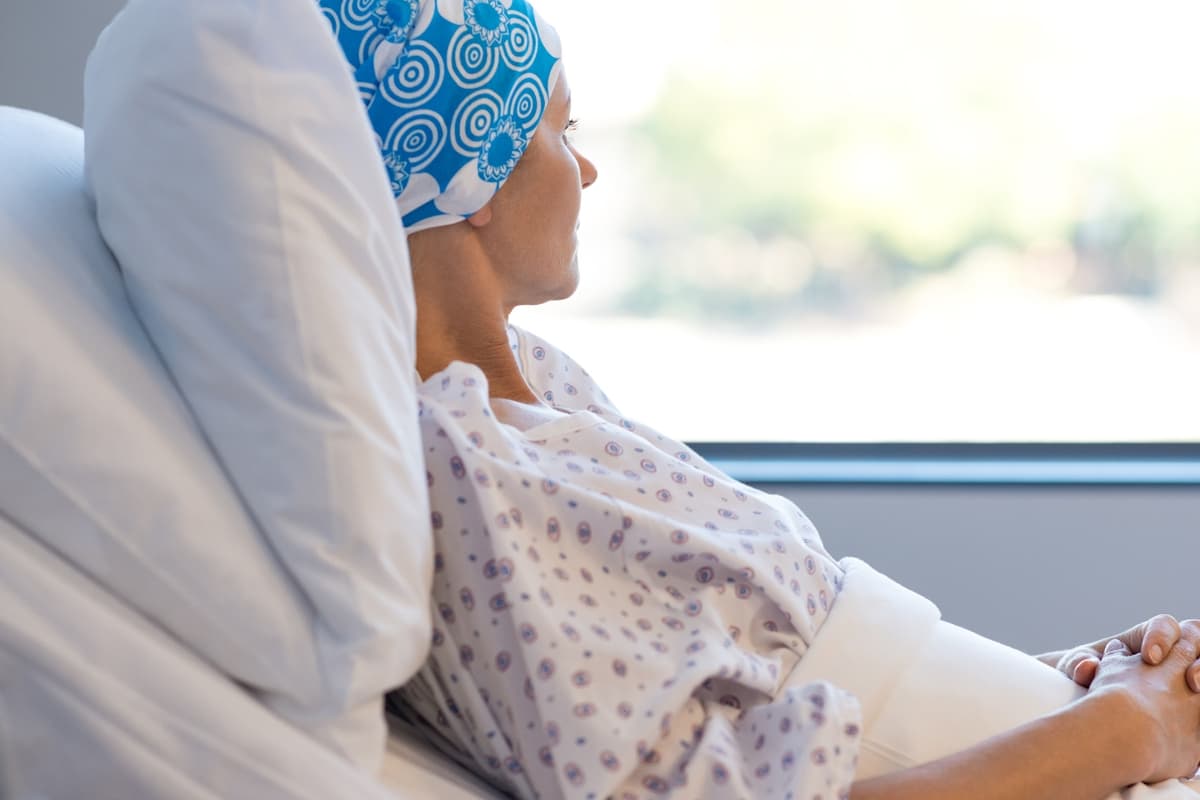
Breast cancer alone accounts for 33,079 new cases a year in the Philippines — more than any other cancer, in either sex — and 65% of cases are only caught once they've reached an advanced stage. Of the country's roughly 54 million women, only about 1% have ever been screened.
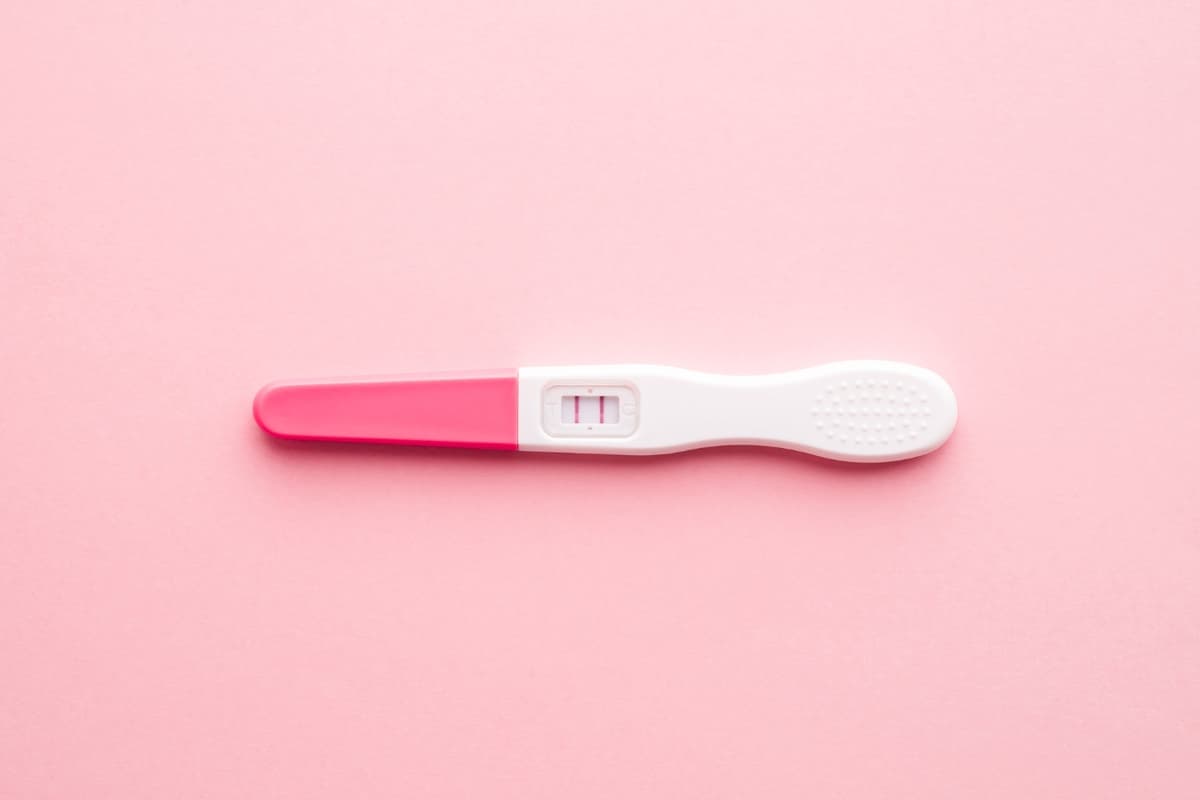
2. 🤰 Pregnancy
Around 2,400 Filipino women and girls die every year from causes related to pregnancy and childbirth that are, in the vast majority of cases, preventable with timely prenatal care — hemorrhage, sepsis, and hypertensive disorders chief among them.
3. 🧬 Sexual Health
The DOH logged 4,633 new HIV cases in just the first quarter of 2026 alone — 51 a day — and nearly a quarter of those newly diagnosed had already progressed to advanced disease before anyone caught it. Syphilis cases have been rising steadily for over a decade.

4. 💔 Chest Tightness
Ischaemic heart disease is the single leading cause of death in the country, responsible for close to 1 in every 5 deaths recorded in 2025. It rarely announces itself as a movie-style collapse. More often, it's a tightness that comes and goes for weeks before anyone takes it seriously.

5. 🫁 Lungs
The Philippines carries the third-highest tuberculosis burden in the world — over 700,000 cases a year, and roughly 70 deaths a day from a disease that's fully curable when caught in time.
6. 💇 Hair Loss
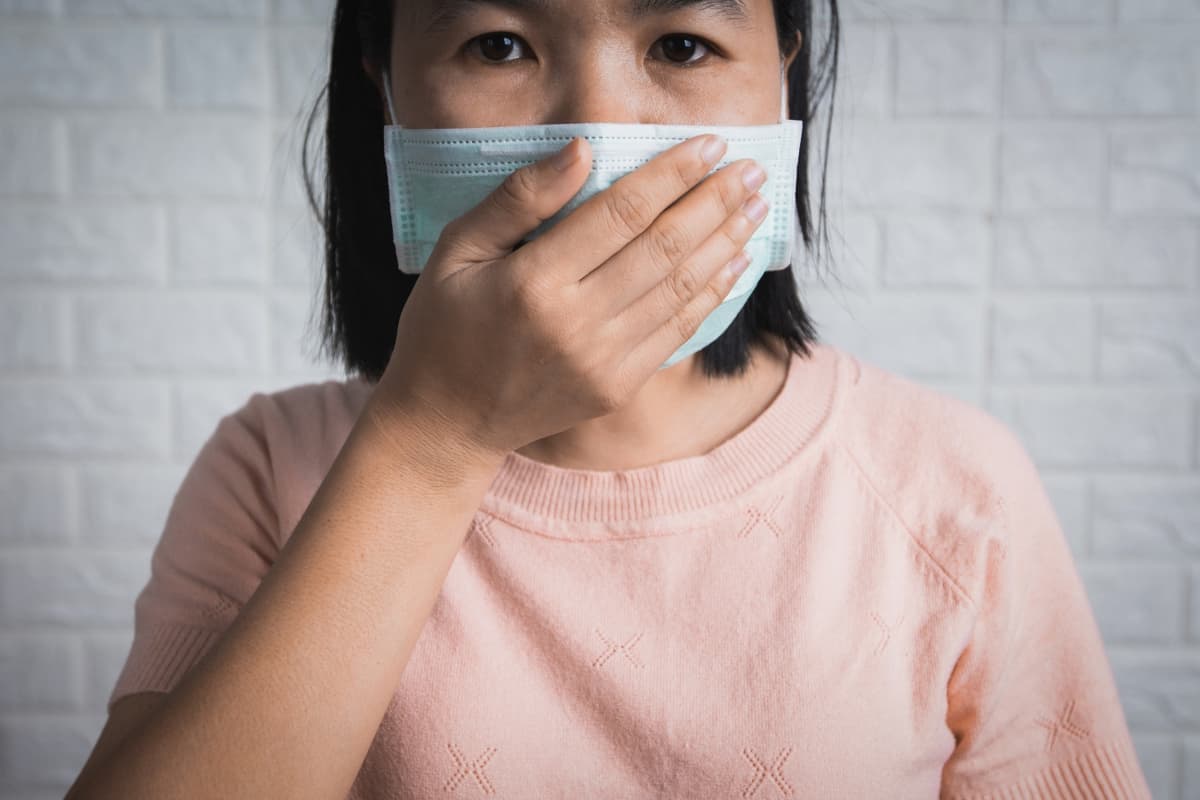
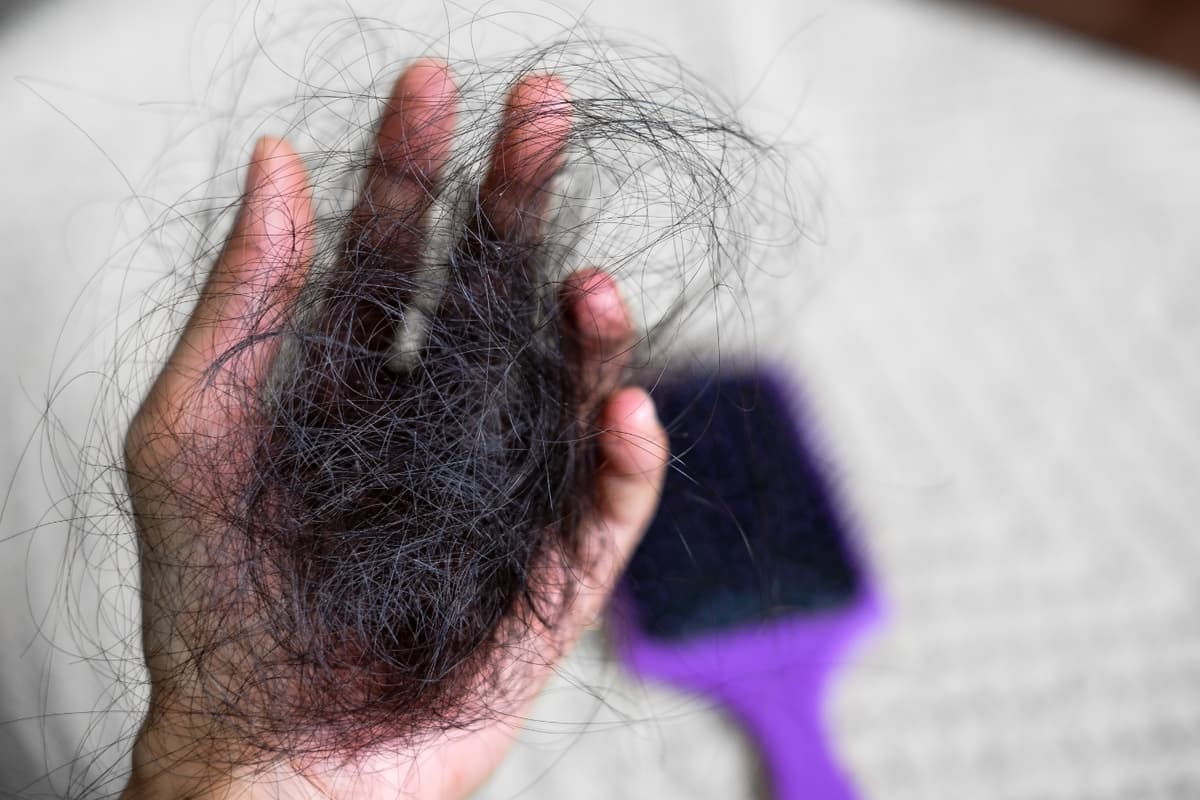
It reads as a cosmetic problem, so it rarely earns a doctor's visit — even though it can be one of the first visible signs of a thyroid issue, an iron deficiency, or a hormonal imbalance that's been building quietly for a while.
7. 😴 Always Tired
"I'm just tired" might be the single most normalized complaint in the country. It's also one of the clearest symptoms of iron-deficiency anemia, thyroid problems, or undiagnosed diabetes — conditions that don't go away just because you've gotten used to feeling this way.

8. 🤕 Constant Headache
A headache that keeps coming back and gets treated with whatever's in the medicine cabinet can, in some cases, be one of the only external signs of dangerously high blood pressure — a condition that otherwise has almost no symptoms until it causes a stroke.

What to actually do with this
None of this is meant to make you paranoid about every ache for the rest of the month. The point isn't fear — it's timing. Every condition on this list is more survivable, cheaper to treat, and easier to manage the earlier it's caught, and every barrier described above is real but not unbeatable: a lot of what makes care feel slow and expensive can be worked around with the right booking, the right clinic, and not waiting for the "right time" that never quite arrives.
We'll be publishing a deeper look at each of these eight topics throughout October — what the warning signs actually mean, what getting checked looks like, and what it costs to find out versus what it costs to not.
See Hati Health's full range of screening and diagnostic services.

Frequently Asked Questions
Is it normal to wait a few days before seeing a doctor about a symptom? For minor, short-lived symptoms, yes — that's reasonable. The concern is when "a few days" quietly becomes weeks, or when a symptom is persistent, recurring, or paired with other warning signs, which is exactly the pattern the data above shows most Filipinos falling into.
Why does delaying care cost more in the long run? Early-stage conditions are almost always simpler and cheaper to treat — fewer procedures, shorter treatment, better odds. The cost and complexity curve for nearly every condition on this list rises sharply the longer a diagnosis is delayed, which is also when survival odds start dropping.
I don't have great insurance — is it even worth getting checked? Often, yes. Screening and diagnostic costs are usually a small fraction of what a late-stage diagnosis ends up costing, insured or not. It's worth checking what's actually affordable before assuming a checkup is out of reach.
How do I know which of these eight to worry about first? That depends on your own risk factors, age, and family history — which is exactly what a general consultation or full body screening is built to sort out, rather than trying to guess from a list.