Headache (sakit ng ulo) symptoms and treatment
Sintomas at gamot sa sakit ng ulo
Most headaches are tension headaches or migraines and aren't caused by a serious problem. They often get better with rest, fluids and pain relief, while frequent or severe headaches may need a treatment plan from a doctor. A licensed doctor can check your symptoms online and help you find the cause.
- Licensed doctors
- 240+ Partner Clinics & Labs
- Private & Confidential
Talk to a General Physician today
A licensed General Physician reviews your symptoms by video or chat. Online consult from PHP 480.
A sudden, severe headache that feels like the worst you've ever had • A headache with fever, a stiff neck, or a rash • A headache after a head injury • Weakness, numbness, slurred speech, confusion, or vision loss • A headache with very high blood pressure, or during pregnancy or after giving birth • A new headache that keeps getting worse, especially if you're over 50
Headache symptoms (sintomas ng sakit ng ulo)
Most headaches build up gradually and ease within hours, but the other symptoms that come with them can help tell the type.
Tight band around the head
Parang may nakatali o nakadiin sa ulo. This is typical of a tension headache.
Throbbing on one side
Pumipintig ang sakit sa isang side ng ulo. This can be a sign of migraine.
Sensitive to light or sound
Masakit sa mata ang ilaw o sensitibo sa ingay. Rest in a dark, quiet room.
Nausea or vomiting
Nasusuka o nagsusuka kasabay ng sakit ng ulo. Common with migraine.
Neck and shoulder pain
Masakit o naninigas ang batok at balikat. Often linked to stress or posture.
Pain around the eyes or forehead
Masakit sa noo o paligid ng mata, lalo na kapag yumuyuko. It can be linked to sinus problems.
Visual changes before the pain
May nakikitang kislap o linya bago sumakit ang ulo. Tell your doctor about this.
Headaches that keep coming back
Madalas o halos araw-araw sumasakit ang ulo. A doctor can help find your triggers.
Headache treatment options (gamot sa sakit ng ulo)
Your doctor decides what's right for you. It may include:
• Rest, fluids, and avoiding your triggers
• Pain relief medicine, if your doctor recommends it
• Migraine treatment or preventive medicine, if prescribed, for frequent or severe headaches
• Checks for other causes, like high blood pressure or eye problems
Prescription medicines are only dispensed with a valid prescription.
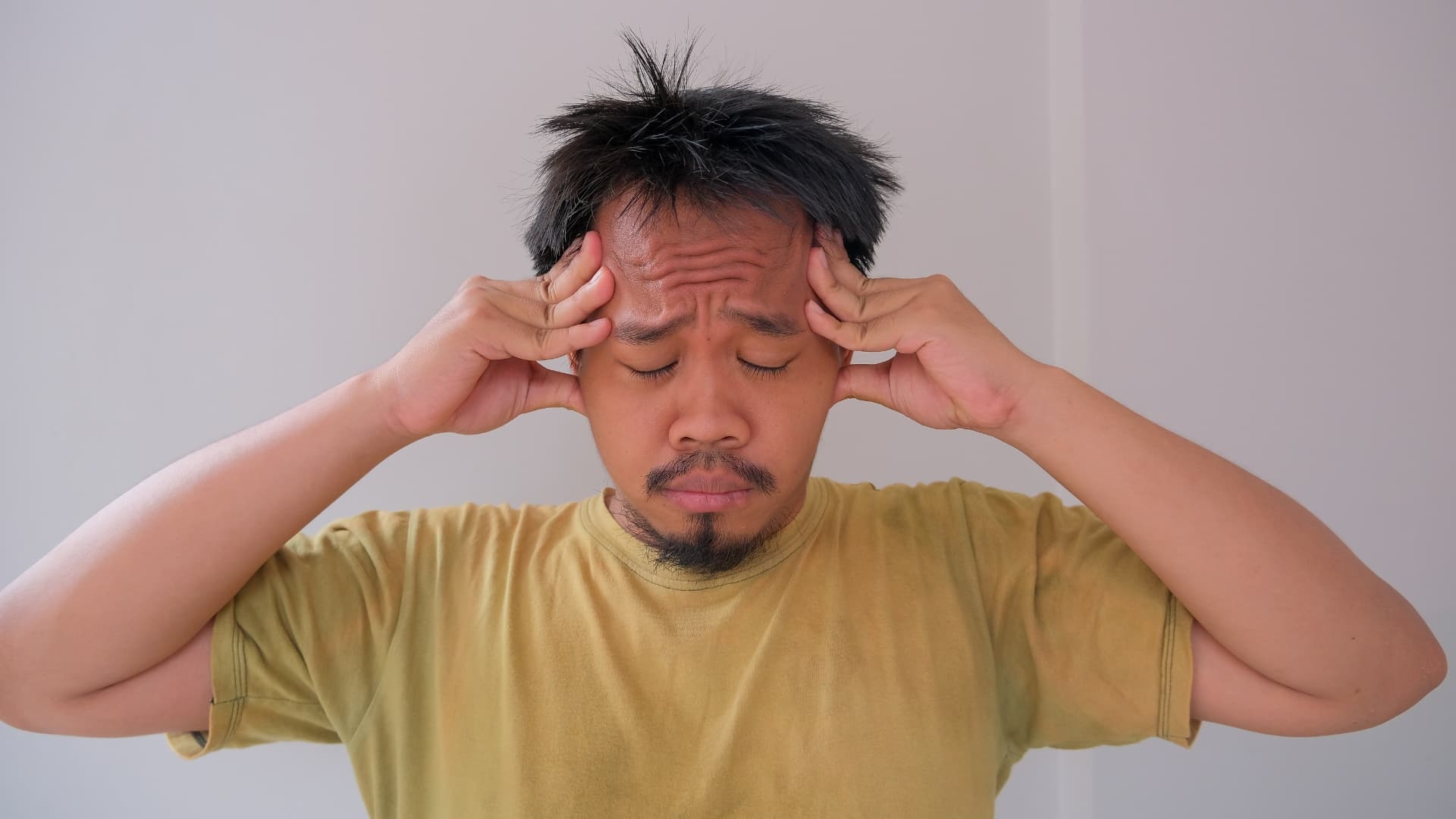
Two ways to get care for headache
Talk to a doctor now
A licensed General Physician reviews your symptoms by video or chat and prescribes treatment if it's right for you. Online consult from PHP 480.

See all headache services
Causes of headache (sanhi ng sakit ng ulo)
Common causes include stress, lack of sleep, skipped meals, dehydration, too much screen time, poor posture, and too much caffeine or alcohol. Migraines can be triggered by certain foods, hormonal changes, bright lights or strong smells, and often run in families.
Headaches can also come with colds, flu, sinus problems, eye strain, or high blood pressure. Taking pain relievers too often can also cause rebound headaches.

Home remedies and prevention (home remedy sa sakit ng ulo)
These simple habits can ease a headache and help prevent the next one.
Drink enough water
Uminom ng sapat na tubig sa buong araw. Dehydration is a common headache trigger.
Keep a regular sleep schedule
Matulog at gumising sa parehong oras araw-araw. Too little or too much sleep can trigger headaches.
Don't skip meals
Kumain sa tamang oras. Skipped meals can bring on a headache.
Take screen breaks
Magpahinga sa screen paminsan-minsan at ayusin ang posture. This reduces eye and neck strain.
Manage stress
Mag-stretching, maglakad, o huminga nang malalim kapag stressed. Relaxing tense muscles can ease tension headaches.
Track your triggers
Isulat kung kailan sumasakit ang ulo at ano ang ginawa o kinain mo. This helps you and your doctor spot patterns.

Kailan dapat magpa-doctor
When to see a doctor
- 1
Consult online for frequent or bothersome headaches
Kung madalas sumakit ang ulo, hindi umeepekto ang pain reliever, o naaapektuhan na ang trabaho o tulog mo, talk to a General Physician online.
- 2
Follow up if it's not improving
Kung lumalala o nagbabago ang pattern ng sakit ng ulo, or you need pain relievers more than a few days a week, follow up with your doctor.
- 3
Get in-person care right away for red flags
Pumunta agad sa ER kung biglaan at sobrang tindi ng sakit ng ulo, may lagnat at naninigas ang leeg, nauntog ang ulo, o may panghihina, pamamanhid o hirap magsalita. These need urgent care.
Frequently asked questions
Ano ang gamot sa sakit ng ulo?
Can I get a headache consult online in the Philippines?
Gaano katagal bago mawala ang sakit ng ulo?
Bakit sumasakit ang ulo ko araw-araw?
Sintomas ba ng highblood ang sakit ng ulo?
Ano ang pagkakaiba ng migraine at tension headache?
Related pages
Ang nilalaman ng page na ito ay general health information lang at hindi kapalit ng pagpapatingin sa doctor. Huwag itong gamitin para i-diagnose o gamutin ang sarili. Para sa tamang payo at gamot, kumonsulta sa licensed doctor. Maaaring magbago ang mga presyo at schedule ng doctors nang walang abiso.